Waste Not, Spend Less: How Strategic Material Sourcing Is Reshaping US Manufacturing Economics
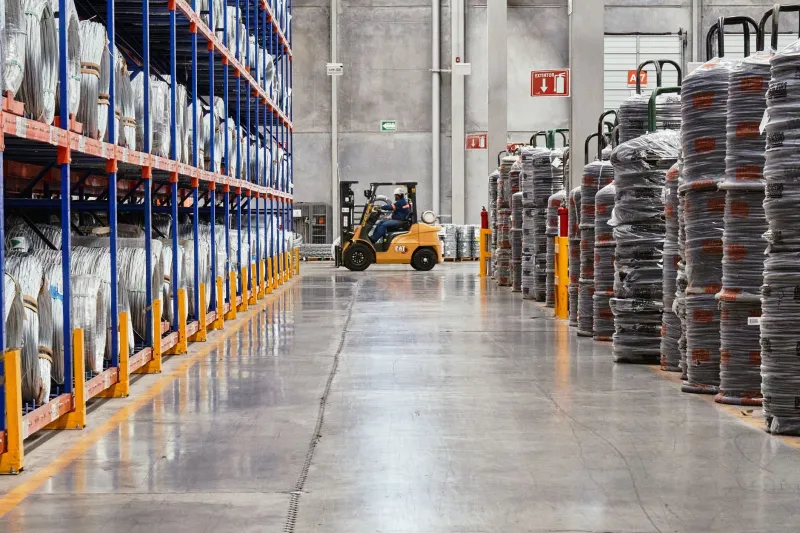
For decades, material waste has occupied an awkward position in the ledgers of American manufacturers — acknowledged as a problem, yet rarely treated with the urgency it deserves. In a production environment where raw material costs can represent 40 to 70 percent of total operating expenses, even modest inefficiencies compound rapidly into significant financial exposure. What has changed in recent years is the sophistication with which leading facilities are diagnosing and addressing those inefficiencies.
The emerging discipline of smart sourcing — combining supplier-level collaboration, real-time inventory management, and data-driven procurement — is producing measurable results. Some US manufacturers have reported material waste reductions of 30 to 40 percent within 18 to 24 months of implementation. The savings, in many cases, have been substantial enough to fund capital improvements and workforce expansion.
The True Cost of Material Waste
The sticker price of wasted material is only the beginning. When a production run generates excess scrap, the financial consequences extend across multiple cost centers simultaneously. There is the direct replacement cost of the unused or discarded material, the labor time consumed processing it, the energy expended in that processing, and the disposal or recycling fees that follow. In regulated industries, there may also be environmental compliance costs attached to certain material streams.
A mid-sized structural steel fabricator in the Midwest, for example, estimated that its annual scrap losses — when fully loaded with downstream handling and disposal costs — represented nearly 9 percent of total revenue. On paper, the scrap rate appeared manageable. In practice, it was masking a systemic sourcing problem: material specifications were being ordered in standard lot sizes that did not align with actual project cut schedules, generating predictable overruns on every production cycle.
This mismatch between procurement logic and production reality is more common than most operations managers care to admit. It is also, critically, correctable.
Where Waste Originates: A Sourcing Perspective
Waste in industrial manufacturing rarely originates at a single point. It accumulates across a chain of decisions — some made at the design stage, others during procurement, and still others on the production floor. Understanding this distribution is essential before any reduction strategy can be meaningfully implemented.
At the sourcing level, common waste drivers include:
- Over-specification: Ordering materials with tolerances or grades that exceed what the application actually requires, adding cost without adding performance.
- Minimum order quantity misalignment: Accepting supplier MOQs that result in chronic overstock and eventual material degradation or write-off.
- Poor lead time coordination: Ordering ahead of actual need due to uncertain supply windows, leading to storage losses and inventory carrying costs.
- Single-supplier dependency: Lack of alternative sourcing options forcing buyers to accept non-ideal material formats or quantities.
A composite panel manufacturer in the Southeast addressed several of these issues simultaneously by engaging in structured supplier reviews. By consolidating its approved vendor list and negotiating flexible order quantities with three primary suppliers, the company reduced its average incoming material overstock by 34 percent within the first year. Critically, this was achieved without compromising supply reliability — a concern that had previously discouraged procurement leadership from pursuing similar changes.
The Role of Supplier Partnerships in Waste Reduction
The most effective waste-reduction outcomes documented among US manufacturers share a common thread: they involve genuine collaboration with material suppliers, not simply tighter purchasing controls applied in isolation.
Suppliers who understand a customer's production schedule, cut patterns, and tolerance requirements are positioned to offer material formats, packaging configurations, and delivery cadences that reduce downstream waste at the source. This kind of relationship requires transparency from both parties — and it requires buyers to move beyond transactional procurement toward something more closely resembling an engineered supply arrangement.
One industrial plastics processor in the Great Lakes region worked with its primary resin supplier to develop a vendor-managed inventory program tailored to its production calendar. The supplier assumed responsibility for maintaining agreed-upon stock levels at the facility, adjusting deliveries based on actual consumption data shared weekly. The result was a 28 percent reduction in resin waste attributable to expired or degraded stock, and a measurable improvement in production scheduling efficiency.
These outcomes are not available to every manufacturer, but they are accessible to those willing to invest the time in supplier relationship development.
Auditing Your Current Sourcing Practices
For operations that have not yet undertaken a formal material sourcing audit, the starting point is straightforward: map the full lifecycle of incoming materials from point of receipt to point of use, and identify every location where quantity, quality, or timing mismatches occur.
Key questions to guide this audit include:
- What percentage of incoming material is consumed in production versus held in inventory beyond 60 days?
- Are material specifications reviewed against current application requirements on a defined cycle, or are historical specs carried forward indefinitely?
- What is the total landed cost of scrap, including labor, energy, and disposal, not simply the replacement material value?
- How frequently do production runs generate material overruns, and what is the root cause in each case?
- Are supplier contracts structured to accommodate volume flexibility, or do they lock buyers into fixed quantities regardless of actual demand?
The answers to these questions will typically reveal several high-priority intervention points. In most cases, the largest savings opportunities are found not in dramatic process overhauls, but in correcting persistent, low-visibility mismatches that have been normalized over time.
Emerging Technologies Supporting Waste Reduction
Beyond procurement strategy, a new generation of digital tools is enabling more precise material management at the facility level. Inventory tracking systems with barcode or RFID integration now allow production managers to monitor material consumption in near real time, flagging anomalies before they translate into significant waste events.
Nesting software — widely used in metal fabrication and sheet goods manufacturing — optimizes cut patterns to maximize material utilization from each incoming unit. Facilities that have adopted advanced nesting tools report material utilization improvements of 8 to 15 percent, with corresponding reductions in scrap volume and disposal cost.
Predictive analytics platforms are also beginning to influence procurement decisions, using historical consumption data and project pipeline information to generate more accurate material forecasts. When integrated with supplier ordering systems, these tools reduce both over-purchasing and stock-out risk simultaneously.
Building a Sustainable Sourcing Framework
Reducing material waste is not a one-time project. It is a discipline that requires ongoing attention, measurement, and adjustment as production demands evolve. The manufacturers achieving the most durable results are those that have embedded waste-reduction metrics into their standard operational reporting — treating material utilization rate with the same rigor applied to labor productivity or equipment uptime.
Supplier performance reviews should include material quality consistency and delivery precision as scored criteria, not merely price. Internal procurement teams should be evaluated, in part, on total material cost outcomes rather than unit price alone.
For US manufacturers operating in an environment of persistent input cost volatility, these disciplines are not optional refinements. They are competitive necessities. The companies that master them will carry a structural cost advantage that compounds over time — one built not on speculation or market timing, but on the disciplined management of materials from source to production floor.